
Call: 08071931145
 Send Inquiry
 Send Inquiry
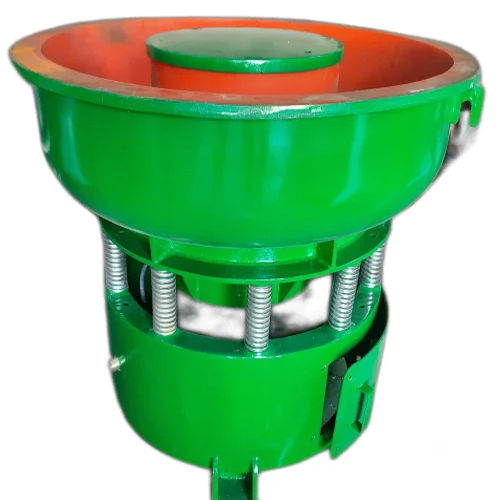
Vibratory Finishing Machine Reverse Separation Model
MOQ : 1 Piece
Vibratory Finishing Machine Reverse Separation Model Specification
- Usage
- Industrial
- Material
- Mild Steel
- Processing Type
- Standard
- Condition
- New
- Technology
- Reverse Separation Vibratory
- Dimension (L*W*H)
- 1500 mm x 900 mm x 800 mm
- Power Mode
- Electric
- Voltage
- 415 V
- Power Consumption
- 3.7 kW
- Engine Configuration
- Single Phase Motor
- Application
- Surface Finishing and Deburring of Metal Parts
- Weight
- Approx. 450 Kg
- Coating Type
- Powder Coated
- Vibration Type
- Rotary/Eccentric
- Control Panel
- Digital
- Separation Mechanism
- Automatic Reverse Separation
- Finish Quality
- Consistent, Uniform
- Cycle Timer
- Programmable
- Noise Level
- <75 dB
- Number of Separators
- 1
- Drum Material
- High-grade Polyurethane Lining
- Bowl Capacity
- 250 Litres
Vibratory Finishing Machine Reverse Separation Model Trade Information
- Minimum Order Quantity
- 1 Piece
- Payment Terms
- Cash in Advance (CID)
- Supply Ability
- 10 Pieces Per Month
- Delivery Time
- 7 Days
- Main Domestic Market
- All India
About Vibratory Finishing Machine Reverse Separation Model
In a typical Vibratory Finishing Machine Reverse Separation Model, the parts and media are mixed together in the vibratory bowl or chamber and the finished parts must be manually separated from the media and compound mixture. However, the machine is equipped with a reverse function that allows the media and compound mixture to be separated from the finished parts. The Vibratory Finishing Machine Reverse Separation Model works by using vibratory motion to move the parts and finishing media within the bowl or chamber.
Efficient Reverse Separation Technology
The automatic reverse separation mechanism maximizes the efficiency of media and parts separation during the finishing process. This technology reduces manual intervention and offers reliable throughput for both surface finishing and deburring applications.
Durable Construction and Consistent Finish
Built with high-quality mild steel and protected by a powder-coated finish, this machine guarantees longevity in demanding industrial environments. The bowl is lined with high-grade polyurethane, ensuring consistent performance and protecting parts during processing.
User-Friendly Digital Controls
The digital control panel and programmable cycle timer streamline operations, making it simple to manage and monitor the finishing process. These controls enhance productivity and allow precise customization for different metal parts.
FAQs of Vibratory Finishing Machine Reverse Separation Model:
Q: How does the automatic reverse separation mechanism work in this machine?
A: The automatic reverse separation mechanism efficiently separates finished parts from media by reversing the vibration direction, ensuring a quick and consistent extracting process without manual sorting.Q: What are the key benefits of using a vibratory finishing machine with high-grade polyurethane lining?
A: High-grade polyurethane lining provides superior abrasion resistance, reduces media wear, and protects metal parts from surface damage, resulting in uniform finishing and extended machine lifespan.Q: When is it recommended to utilize the programmable cycle timer feature?
A: Use the programmable cycle timer when you need precise control over processing durations, such as for different part sizes or varying finishing requirements, to optimize throughput and consistency.Q: Where can this vibratory finishing machine be installed for industrial use?
A: This machine can be installed in industrial settings like factories, workshops, or production lines, especially where surface finishing or deburring of metal parts is a constant requirement.Q: What is the process for starting and operating the machine via its digital control panel?
A: To operate the machine, simply select or program the desired cycle on the digital control panel, adjust settings as needed for your application, and initiate the process. The machine will manage the cycle automatically.Q: What type of vibration is used and how does it affect finish quality?
A: The machine employs a rotary/eccentric vibration type, which ensures uniform and consistent finishing by evenly distributing vibratory energy throughout the bowl, minimizing processing variability.Q: What makes this model suitable for industrial distributors and wholesalers in India?
A: Its reliable electric power mode, robust mild steel build, advanced technology, and ease of operation make it an ideal solution for high-volume, industrial finishing requirements commonly encountered by distributors and wholesalers.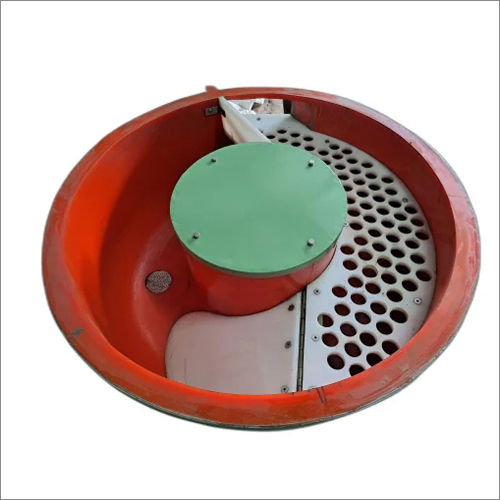
Tell us about your requirement

Price:
Quantity
Select Unit
- 50
- 100
- 200
- 250
- 500
- 1000+
Additional detail
Mobile number
Email

More Products in Vibratory Finishing Machine Category
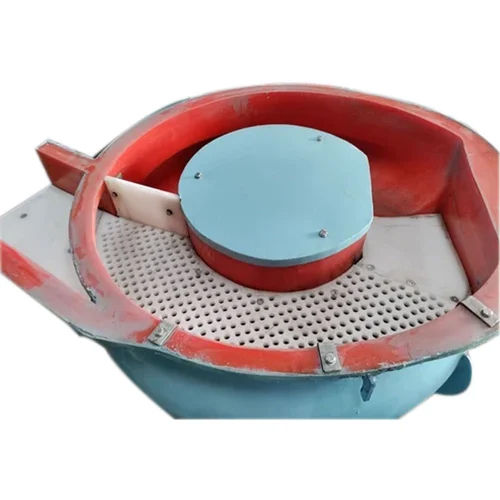
Vibratory Finishing Machine Dome Model
Minimum Order Quantity : 1 Piece
Coating Type : Powder Coated
Dimension (L*W*H) : Variable (customized as per model requirement)
Power Consumption : 1.510 kW (depending on model size)
Power Mode : Electric
Technology : Other, Vibratory Finishing
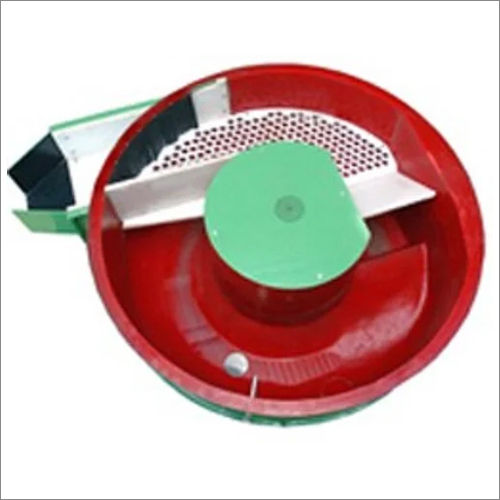
Vibratory Finishing Machine Bump Model
Minimum Order Quantity : 1 Piece
Coating Type : Powder Coated
Dimension (L*W*H) : 1170 x 1010 x 900 mm
Power Consumption : 2.2 kW
Power Mode : Electric
Technology : Other, Vibratory Finishing
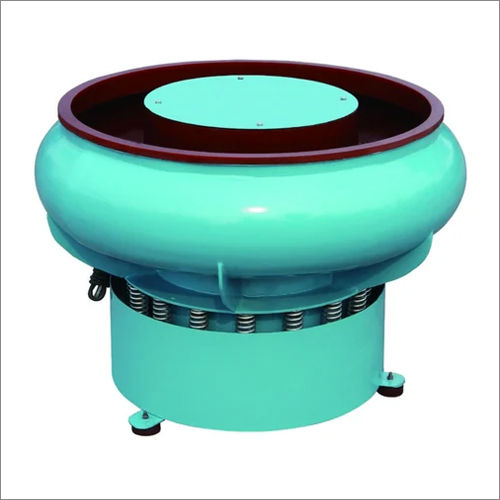
Vibratory Finishing Machine Dome Std Model
Minimum Order Quantity : 1 Piece
Coating Type : Polyurethane Lining
Dimension (L*W*H) : 1100 x 900 x 900 mm (Approx.)
Power Consumption : 2.2 kW
Power Mode : Electric
Technology : Other, Vibratory Finishing
Vibratory Finishing Machine Standard Model
Minimum Order Quantity : 1 Piece
Coating Type : Powder Coated
Dimension (L*W*H) : 620x620x900 mm
Power Consumption : 2 HP
Power Mode : Electric
Technology : Other, Vibratory Finishing

Contact Details
KGH SCINDIA
GST : 27AKLPS1671A1Z6
- B- 104, Meenal Chhaya CHS Limited Almeida Road, Panchpakhadi,Thane - 400601, Maharashtra, India
- Phone :08071931145
 Send Inquiry
Developed and Managed by Infocom Network Private Limited.
