
Call: 08071931145
 Send Inquiry
 Send Inquiry
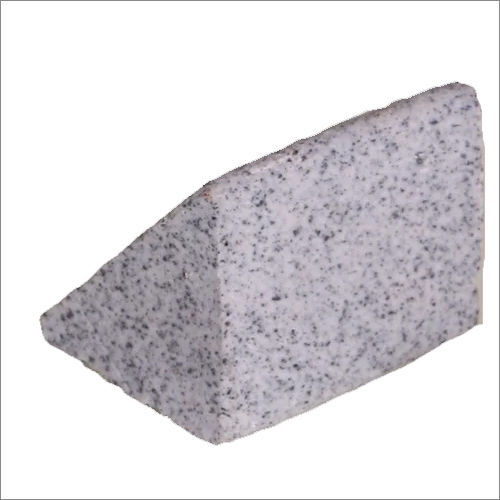
Triangle Angle Cut
Price 60 INR/ Kilograms
MOQ : 25 Kilograms
Triangle Angle Cut Specification
- Usage & Applications
- Angle cutting in construction, structural fabrication, and mechanical assemblies
- Casting Process
- Sand Casting
- Load Capacity
- 100 kg
- Product Type
- Cast Products
- Material
- Mild Steel
- Surface Finishing
- Polished
- Weight
- 700 gm
- Color
- Grey
- Dimensions
- Length: 110 mm, Height: 85 mm, Thickness: 12 mm
- Edge Type
- Precision Angle Cut
- MOQ
- 100 pieces
- Shape
- Triangle Angle Cut
- Tensile Strength
- 410 MPa
- OEM Service
- Available
- Hardness
- 55 HRB
- Corrosion Resistance
- Good, due to protective coating
Triangle Angle Cut Trade Information
- Minimum Order Quantity
- 25 Kilograms
- Payment Terms
- Cash in Advance (CID)
- Supply Ability
- 10000 Kilograms Per Month
- Delivery Time
- 7 Days
- Main Domestic Market
- All India
About Triangle Angle Cut
A Triangle Angle Cut is a type of beveled or angled cut that is made on the end of a triangular-shaped material or object. This angled cut creates a diagonal surface that allows for more efficient sealing between the object and other components. Triangle Angle Cut is commonly used in various industries, including hydraulic and pneumatic systems, where they are used as part of a sealing system to prevent leakage or loss of pressure.
Exceptional Precision and Durability
Every Triangle Angle Cut is meticulously manufactured to maintain precise dimensions and superior strength. With its polished finish and advanced protective coating, the product stands up to demanding environmental conditions, ensuring long-term performance and reliability for structural projects. Its high tensile strength and optimized hardness make it ideal for heavy loads and critical installations.
Versatile Material Options and Finishing
Available in ductile iron or mild steel, the Triangle Angle Cut offers flexibility for various engineering requirements. The sand casting process and polished surface finish further enhance both aesthetic and functional qualities, making it suitable for visible structural elements or hidden mechanical supports.
FAQs of Triangle Angle Cut:
Q: How is the Triangle Angle Cut manufactured for precision and durability?
A: The Triangle Angle Cut is produced using the sand casting process, employing either ductile iron or mild steel. This method enables the creation of robust, precisely shaped components with refined surfaces. After casting, each piece undergoes polishing and is coated with a protective layer to ensure excellent corrosion resistance and long-lasting performance.Q: What are the benefits of using the Triangle Angle Cut in structural fabrication?
A: Utilizing the Triangle Angle Cut in your structural projects provides several advantages: superior strength, precise angle cuts for accurate alignment, high load capacity (up to 100 kg), and resistance to corrosion due to its protective coating. These traits contribute to safer, more durable constructions with minimal maintenance requirements.Q: When should I choose ductile iron over mild steel for the Triangle Angle Cut?
A: Ductile iron is recommended when you need enhanced durability and higher resistance to impact, which is ideal for heavy-duty applications. Mild steel, on the other hand, is preferable for situations that require moderate strength with easier machining and welding capabilities. Your choice ultimately depends on the specific requirements of your project.Q: Where can Triangle Angle Cut components be applied?
A: These angle cut components are widely used in construction sites, structural fabrication workshops, mechanical assembly units, and various industrial settings throughout India. Distributors, suppliers, traders, and wholesalers offer these products for both domestic infrastructure and export purposes.Q: What is the minimum order quantity (MOQ) and is OEM customization available?
A: The Triangle Angle Cut has a minimum order quantity of 100 pieces, providing flexibility for both small and large project requirements. OEM services are available, allowing you to customize thickness, material, color, and edge type to suit specific design or branding needs.Q: How do I maintain the Triangle Angle Cut to ensure longevity?
A: Thanks to its protective coating and polished finish, the Triangle Angle Cut requires minimal maintenance. Regular inspections and cleaning suffice to preserve its appearance and performance, especially in environments exposed to moisture or corrosive elements.Q: What is the typical process flow for ordering and receiving Triangle Angle Cut components?
A: Initially, you select the desired specifications (material, finishing, dimensions). After confirming your order with the supplier or distributorobserving the 100-piece MOQthe components are cast, finished, and coated as per requirements. Upon completion, your order is shipped directly to your location, ensuring efficient and timely delivery across India.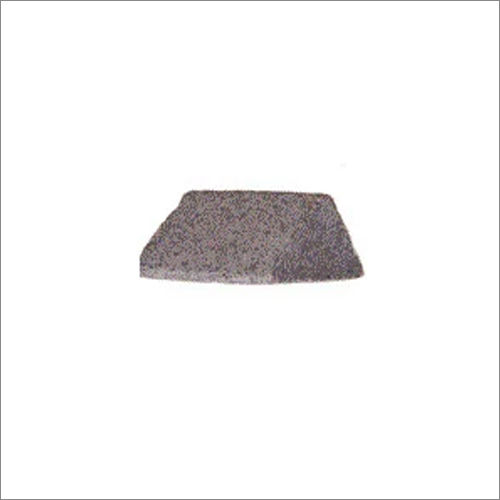
Tell us about your requirement

Price:
Quantity
Select Unit
- 50
- 100
- 200
- 250
- 500
- 1000+
Additional detail
Mobile number
Email

More Products in Ceramic Media Category
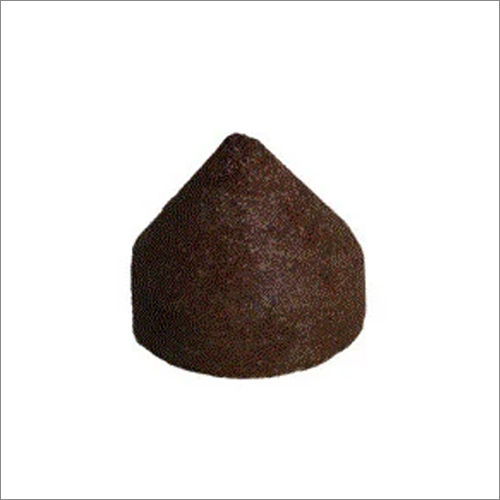
Ceramic Cone Media
Price 120 INR / Kilograms
Minimum Order Quantity : 25 Kilograms
Casting Process : Slip Casting
Load Capacity : High (varies by size and application)
Usage & Applications : Deburring, polishing, surface finishing in vibratory and tumbling machines
Material : Other Ductile Iron, Ceramic
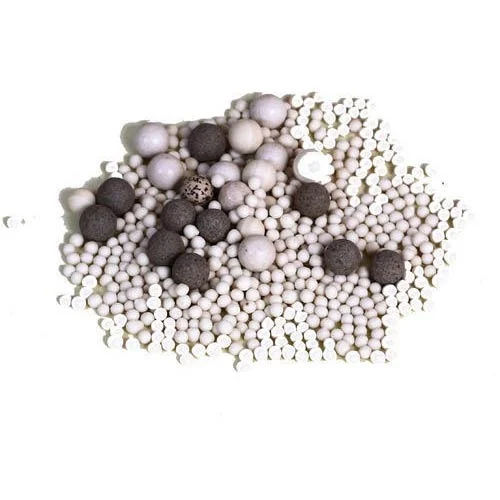
Ceramic Balls Media
Price 60 INR / Kilograms
Minimum Order Quantity : 25 Kilograms
Casting Process : Slip Casting
Load Capacity : High Mechanical Strength
Usage & Applications : Used as grinding media in ball mills for mineral processing, ceramics, paints, and cement industries
Material : Other Ductile Iron, High Alumina Ceramic
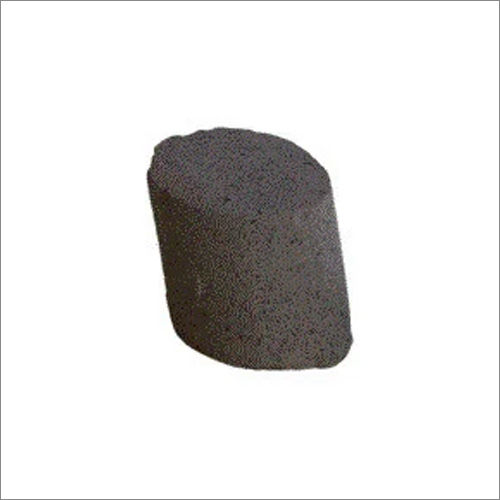
Angle Cut Cylinder
Price 60 INR / Kilograms
Minimum Order Quantity : 25 Kilograms
Casting Process : Sand Casting
Load Capacity : Up to 600 kg
Usage & Applications : Construction, Machinery, Automotive Components
Material : Other Ductile Iron, Mild Steel
Triangle Straight Cut
Price 60 INR / Kilograms
Minimum Order Quantity : 25 Kilograms
Casting Process : Sand Casting
Load Capacity : Up to 500 kg
Usage & Applications : Industrial machinery, construction frameworks, support brackets
Material : Other Ductile Iron, Cast Iron

Contact Details
KGH SCINDIA
GST : 27AKLPS1671A1Z6
- B- 104, Meenal Chhaya CHS Limited Almeida Road, Panchpakhadi,Thane - 400601, Maharashtra, India
- Phone :08071931145
 Send Inquiry
Developed and Managed by Infocom Network Private Limited.
