
Call: 08071931145
 Send Inquiry
 Send Inquiry
Plastic Cone Media
Price 150 INR/ Kilograms
MOQ : 25 Kilograms
Plastic Cone Media Specification
- Heat Resistance
- Yes
- Tensile Strength
- 31 MPa
- Plastic Type
- Polypropylene (PP)
- Density
- 0.92 Gram per cubic centimeter(g/cm3)
- Melting Point
- 130-171C
- Color Pattern
- Solid
- Surface Finish
- Matte
- Leak Protection
- Yes
- UV Resistant
- Yes
- Type
- Plastic Cone Media
- Material
- Plastic
- Shaping Mode
- Injection Molding
- Length
- 35 mm
- Weight
- Approx. 8-10 g per piece
- Hardness
- Medium (Shore D ~70)
- Plastic Molding Type
- Precision Molded
- Color
- Red
- Size
- Standard / Customizable
- Shape
- Cone
- Moisture Absorption
- Low
- Reusability
- Multiple Cycles
- Operating Temperature Range
- -10°C to 110°C
- Flammability
- UL 94 HB
- Electrical Insulation
- Excellent
- Impact Resistance
- High
- Chemical Resistance
- Good (acids, alkalis)
- Storage Conditions
- Dry Location
- Packing Type
- Bag/Drum
- Eco-Friendly
- Yes
- Abrasive Use
- Finishing & Deburring Media
- Applications
- Vibratory Finishing, Surface Polishing, Burr Removal
Plastic Cone Media Trade Information
- Minimum Order Quantity
- 25 Kilograms
- Payment Terms
- Cash in Advance (CID)
- Supply Ability
- 10000 Kilograms Per Month
- Delivery Time
- 7 Days
- Main Domestic Market
- All India
About Plastic Cone Media
Plastic Cone Media is a type of tumbling media used in mass finishing processes to deburr, polish, and clean surfaces of parts and components made of various materials, such as metals, plastics, ceramics, and composites. This is made of small, cone-shaped pellets or cones that are made from various plastic materials, such as polyester, polyurethane, or polycarbonate. Plastic Cone Media is designed to be resilient and durable, yet gentle enough not to damage the surfaces of the parts being finished.
Exceptional Chemical and Impact Resistance
These plastic cone media excel in environments where exposure to acids and alkalis is frequent. Their polypropylene composition ensures high impact strength and consistent performance, even under continuous vibratory movement, making them particularly suitable for demanding burr removal and surface finishing applications.
Eco-Friendly, Reusable, and Low Moisture Absorption
Designed for sustainability, these cones can be reused across multiple finishing cycles, reducing operational costs and environmental impact. Their low moisture absorption means they maintain physical integrity and efficiency, even after repeated use in humid or wet conditions.
Adaptable for Diverse Industrial Applications
Injection-molded to precise standards, these cones are available in both standard and customizable sizes to suit a range of machinery and finishing requirements. They provide excellent electrical insulation, leak protection, and UV resistance, offering versatility in various manufacturing sectors.
FAQs of Plastic Cone Media:
Q: How are plastic cone media used in vibratory finishing and polishing processes?
A: Plastic cone media are added to vibratory finishing machines, where they act as abrasive agents to smooth, polish, and remove burrs from metal and plastic components. Their shape and hardness enable them to reach intricate areas and deliver uniform results over multiple cycles.Q: What specific benefits does plastic cone media offer compared to traditional finishing media?
A: These media are lightweight, highly impact-resistant, and possess excellent chemical resistance, making them ideal for handling aggressive compounds. Their eco-friendly and reusable nature leads to reduced waste and operational costs, while their low moisture absorption maintains consistent finishing quality.Q: When should you consider using this media for industrial finishing tasks?
A: Plastic cone media are ideal when high chemical and impact resistance is needed, especially for parts exposed to acids, alkalis, or rough handling. They are appropriate for environments where repeated usage and reliable surface finishing are critical.Q: Where is plastic cone media typically applied within manufacturing and processing industries?
A: They are predominantly used in automotive, aerospace, electronics, and metalworking sectors across India, wherever vibratory finishing, deburring, and precise surface polishing are necessary. Their customizable size ensures compatibility with diverse equipment.Q: What is the recommended storage condition for maintaining the medias performance?
A: To ensure optimal performance and longevity, store the plastic cone media in a dry location. Proper storage protects them from moisture, preserving their physical properties and effectiveness throughout multiple finishing cycles.Q: How does the production process ensure the quality and consistency of the cones?
A: These cones are manufactured through injection molding using precision molds, which guarantees dimensional accuracy, consistent hardness, and uniformity in every batch, ensuring reliable results in industrial applications.Q: What are the main advantages of reusing plastic cone media over multiple cycles?
A: The ability to reuse the media helps minimize material costs and environmental impact. Their durability allows for repeated application without loss of abrasive capability or physical integrity, contributing to efficient workflow management.
Tell us about your requirement

Price:
Quantity
Select Unit
- 50
- 100
- 200
- 250
- 500
- 1000+
Additional detail
Mobile number
Email

More Products in Plastic Media Category
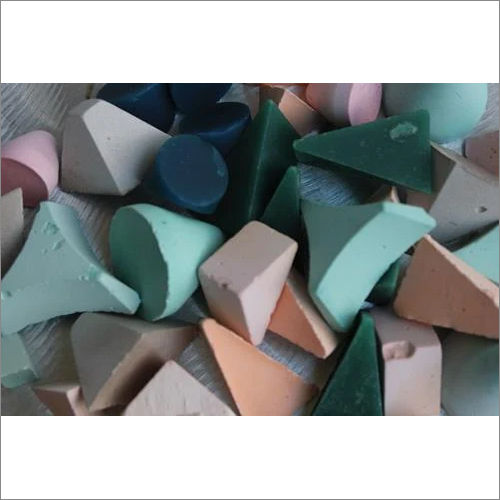
Resin Bonded Plastic Media
Price 150 INR / Kilograms
Minimum Order Quantity : 25 Kilograms
Shaping Mode : Molded
Weight : 50500 g
Color Pattern : Solid & Mixed
UV Resistant : Yes
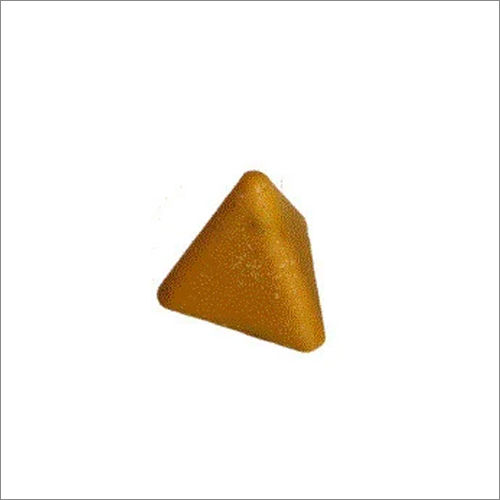
Plastic Tetrahedral Media
Price 150 INR / Kilograms
Minimum Order Quantity : 25 Kilograms
Shaping Mode : Injection Molding
Weight : Approx. 5 grams
Color Pattern : Single solid color
UV Resistant : Yes
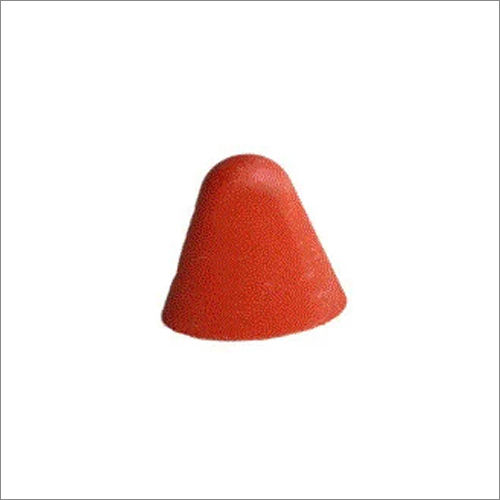
Plastic Paraboloid Media
Price 150 INR / Kilograms
Minimum Order Quantity : 25 Kilograms
Shaping Mode : Injection Molding
Weight : Approx. 315 g per piece
Color Pattern : Solid
UV Resistant : Yes

Contact Details
KGH SCINDIA
GST : 27AKLPS1671A1Z6
- B- 104, Meenal Chhaya CHS Limited Almeida Road, Panchpakhadi,Thane - 400601, Maharashtra, India
- Phone :08071931145
 Send Inquiry
Developed and Managed by Infocom Network Private Limited.
